A Definitive Compendium on the Science, Safety, and Art of Infusing Olive Oil
Introduction: The Convergence of Culinary Art and Food Science
The modern British kitchen has undergone a quiet revolution. Where once the pantry was stocked with simple staples, it now increasingly resembles a laboratory of flavours, a place where the provenance of ingredients and the precision of technique are paramount. Among the myriad culinary arts available to the home enthusiast, few offer the immediate gratification and sensory depth of infused oils. The infusion of olive oil—the process of transferring aromatic compounds from botanical ingredients into a lipid matrix—is a practice as ancient as the Mediterranean civilizations that first pressed the olive, yet it remains a subject of intense contemporary interest.
For the consumer, the appeal is twofold. Firstly, there is the gastronomic potential: the ability to create bespoke flavour profiles that elevate the simplest dishes, from a fiery chilli oil drizzled over a Friday night pizza to a nuanced lemon and rosemary oil that transforms a Sunday roast chicken. Secondly, there is the allure of craft; the satisfaction of transmuting raw ingredients into a golden elixir that is both beautiful to behold and delicious to consume.
However, this culinary romance is underpinned by a rigorous, and occasionally unforgiving, scientific reality. Olive oil is a complex biological substance, a “fruit juice” composed of triacylglycerols, polyphenols, and antioxidants. The introduction of foreign organic matter—garlic cloves, fresh herbs, citrus peels—into this stable matrix disrupts its equilibrium and, if mismanaged, creates a perfect biological incubator for one of the deadliest pathogens known to food science: Clostridium botulinum.
This report serves as a comprehensive, expert-level guide for the British consumer. It moves beyond the superficial recipes found in casual cookbooks to provide a deep-dive analysis of the mechanics of flavour extraction, the microbiology of food safety, and the nuanced selection of ingredients available in the UK market. It is written with the understanding that the home cook is capable of professional-grade results when armed with the correct knowledge. We will explore the physics of how heat and time extract essential oils, the chemistry of why dried garlic is safe while fresh is risky, and the practical methodologies that ensure every bottle produced is not only a delight to the palate but unequivocally safe for the table.
Chapter 1: The Lipid Matrix – The Science of Olive Oil Selection
Before the first clove of garlic is peeled or the first chilli dried, the prospective infuser must understand the medium in which they are working. Olive oil is not merely a passive carrier for flavour; it is an active ingredient with its own chemical personality, stability profile, and degradation timeline. The success of an infusion depends entirely on selecting the correct grade of oil for the specific aromatic goal.
The Hierarchy of Extraction and Quality
In the United Kingdom, the labeling of olive oil is strictly regulated, adhering to standards that define acidity, production method, and organoleptic qualities. Understanding these grades is essential for the infuser, as the choice of base oil dictates the final character of the infusion.
Extra Virgin Olive Oil (EVOO)
At the apex of the hierarchy sits Extra Virgin Olive Oil. By definition, this is the unrefined juice of the olive, extracted solely by mechanical means without the use of heat or chemical solvents. Its chemical defining characteristic is a free acidity (expressed as oleic acid) of less than 0.8%.
From an infusion perspective, EVOO presents a complex paradox. It is rich in polyphenols—natural antioxidants that confer stability and protect the oil from rancidity. However, these same polyphenols are responsible for the oil’s distinct flavour profile: grassy, peppery, bitter, and pungent.
- The Interaction: When infusing delicate ingredients such as lemon zest, fresh basil, or vanilla, a robust, peppery EVOO can easily overpower the subtle volatile compounds of the infusion. The result is a confused palate where the “bite” of the oil fights the “perfume” of the herb.
- Best Use: EVOO is the superior choice for finishing oils where the taste of the olive is intended to be part of the final flavour profile. It pairs magnificently with robust ingredients that can stand up to it, such as dried rosemary, garlic, and smoke.4
Virgin Olive Oil
Slightly lower in quality than EVOO, Virgin Olive Oil has a free acidity of up to 2.0%. It retains the mechanical extraction method but may have minor sensory defects. In the UK retail market, this grade is less common than EVOO or refined oils, but where available, it offers a middle ground—less expensive than premium EVOO but with more character than refined oil.
Refined and “Light” Olive Oils
Often labeled simply as “Olive Oil” or “Pure Olive Oil,” this category consists of a blend of refined olive oil (which has been chemically treated to remove defects, colour, and flavour) and a small quantity of virgin oil added back for colour. The term “Light” refers strictly to colour and flavour, not caloric density.
- The Infuser’s Secret Weapon: While culinary snobbery often dismisses refined oils, they are invaluable for specific infusion applications. Because they are neutral in flavour and have a higher smoke point (up to 240°C/470°F), they act as a blank canvas.
- Best Use: If the objective is a pure, unadulterated Chilli Oil (like a Chinese rèm yóu) or a Garlic Oil where the aromatic is the sole star, a refined oil is often superior to EVOO. It allows the infusion to shine without the grassy interference of the olive fruit.
The British Alternative: Cold-Pressed Rapeseed Oil
No discussion of oil in the modern British kitchen is complete without acknowledging the ascendancy of Cold-Pressed Rapeseed Oil. Often marketed as “British Olive Oil,” it shares the mechanical extraction method of EVOO but is derived from the bright yellow fields of rape plants that characterize the British countryside.
While it lacks some of the quality of virgin or extra virgin olive oil, and a lot of the beloved mediterranean taste, it is a solid choice for infusing oils where the flavour is the star of the show, and not the quality of the oil it is mixed into.
Nutritional and Functional Comparison for Infusion
| Feature | Extra Virgin Olive Oil | Cold-Pressed Rapeseed Oil | Implication for Infusion |
| Fat Profile | High Monounsaturated | Lower Saturated Fat (approx 50% less) | Rapeseed feels “lighter” on the palate. |
| Smoke Point | Moderate (190°C-210°C) | High (220°C-230°C) | Rapeseed is safer for high-heat “sizzle” infusions. |
| Flavour | Grassy, Peppery, Fruity | Nutty, Earthy, Hay-like | Rapeseed pairs exceptionally well with earthy herbs like sage and thyme. |
| Provenance | Mediterranean (Spain, Italy, Greece) | Domestic (UK) | Rapeseed offers a lower carbon footprint for the UK consumer. |
For the home infuser, Cold-Pressed Rapeseed Oil is an excellent, stable alternative, particularly for infusions involving roasted garlic or woody herbs, where its nutty profile complements the ingredients.
The Chemistry of Stability: Oxidation and Rancidity
Regardless of the oil chosen, the enemy of all infusions is oxidation. Oils are lipids, and lipids react with oxygen to form hydroperoxides, which eventually break down into aldehydes and ketones—the compounds responsible for the rancid smell of old paint or wet cardboard.
- The Polar Paradox: Research suggests a phenomenon known as the “polar paradox,” where antioxidants behave differently depending on the medium. In bulk oils (like a bottle of olive oil), lipophilic (fat-loving) antioxidants are less effective than hydrophilic (water-loving) ones because they cannot orient themselves at the air-oil interface where oxidation occurs.
- Practical Implication: Infusing oil does not preserve it; it often accelerates degradation because the introduction of plant matter can introduce catalysts for oxidation. Therefore, infused oils generally have a shorter shelf life than the pure oil from which they were made.
Chapter 2: The Biological Hazard – Clostridium botulinum
To write about infusing oil without addressing botulism is negligent. To understand the risk, we must delve into the microbiology of Clostridium botulinum, a bacterium that has shaped food safety regulations globally. The environment created by a bottle of herb-infused oil—anaerobic, low-acid, and ambient temperature—is, biologically speaking, the precise equivalent of a petri dish designed to cultivate this specific pathogen.
The Mechanism of the Threat
Clostridium botulinum is a spore-forming, anaerobic bacterium found ubiquitously in soil and water. This means that any root vegetable (garlic, onion) or herb grown near the ground is likely to carry these spores on its surface.
- The Spore State: In the presence of oxygen (air), the spores are dormant and harmless. We consume them regularly on fresh produce without ill effect.
- The Vegetative State: When these spores are deprived of oxygen (such as when submerged in oil) and provided with water and a non-acidic environment (pH > 4.6), they germinate into vegetative cells.
- The Toxin: As these vegetative cells grow, they produce a neurotoxin that is among the most potent natural poisons known. Even microscopic amounts can cause botulism, a paralytic illness that can lead to respiratory failure and death.
2.2 The Critical Variables: pH and Water Activity
Food scientists control pathogens using “hurdle technology”—placing barriers in the way of bacterial growth. For infused oils, the relevant barriers are Water Activity and pH.
Water Activity
Bacteria are aquatic organisms; they need available water to survive and reproduce. Water activity (aw) is a measure of this available water on a scale of 0 to 1.
- C. botulinum requires an aw of roughly 0.94 or higher to grow.
- Fresh Ingredients: A fresh clove of garlic or a sprig of basil has a high activity (approx 0.98-0.99). When placed in oil, the water inside the plant tissue remains trapped. The oil prevents oxygen from reaching the surface, but the water inside the ingredient provides the moisture needed for the spores to activate.
- Dried Ingredients: Dehydrated ingredients have a water activity far below the threshold for growth. This is why the use of dried ingredients is the single most effective safety measure for home infusion. If there is no water, there is no growth.
2.2.2 Acidity (pH)
C. botulinum spores cannot germinate in acidic environments (pH < 4.6).
- Most vegetables and herbs are low-acid (pH 6.0–7.0).
- Commercial producers render garlic-in-oil products safe by acidifying the garlic (soaking it in acid) until the equilibrium pH is below 4.6.
The Historical Context of Outbreaks
The risk is not theoretical. In the 1980s, significant outbreaks of botulism in North America were traced back to chopped garlic-in-oil products that were stored at room temperature.
These incidents led to strict regulations in the US and guidance from the UK Food Standards Agency (FSA), which advises against the home production of vegetables in oil for storage.
Regulatory Guidance in the UK
The UK Food Standards Agency (FSA) and the Advisory Committee on the Microbiological Safety of Food (ACMSF) maintain a cautious stance. They note that home-produced vegetable-in-oil mixtures should technically be stored under refrigeration and consumed within a short window (often cited as 10 days for commercial products without other controls).
For the home consumer, this translates to a simple rule: If using fresh ingredients, refrigerate and consume quickly. If shelf stability is required, use dried ingredients.
Chapter 3: Methodologies for Safe Infusion
Having established the risks, we can now outline the methodologies that allow the home cook to navigate them safely. There are three primary approaches to infusion, each with specific applications and safety profiles.
Method A: Cold Infusion (Maceration)
The Patient Approach.
This method involves steeping ingredients in oil at room temperature over a prolonged period. It is the gentlest method, ideal for extracting delicate volatile compounds that might degrade under heat.
- Ideal For: Dried herbs (oregano, thyme), ground spices, dried chilli flakes.
- Safety Protocol: Strictly for dried ingredients. Never cold-infuse fresh garlic or fresh herbs for storage at room temperature.
- Mechanism: The oil acts as a solvent, slowly dissolving the lipophilic (fat-soluble) flavour compounds. Because no heat is applied, the breakdown of the oil is minimized, preserving the high notes of the EVOO.
- Timeline: 2 to 4 weeks.
Method B: Thermal Infusion (Warm/Hot)
The Catalyst Approach.
Heat increases the kinetic energy of the solvent molecules, accelerating the extraction process. It breaks down cell walls in the ingredients, releasing flavours rapidly.
- Ideal For: Woody herbs (rosemary), dried garlic, citrus peels, whole spices (peppercorns, coriander seeds).
- Low-Temperature (Confit) Infusion (55°C-60°C / 130°F-140°F): This is the “sweet spot” for home infusion. It is warm enough to speed up extraction and pasteurize the surface of ingredients lightly, but cool enough to prevent the olive oil from degrading or the ingredients from frying.24
- High-Temperature Infusion (80°C+ / 175°F+): Used primarily for chilli oils where a “toasted” flavour is desired. At this temperature, the fresh, fruity notes of EVOO will be lost, so a refined or light olive oil is often preferable.
Method C: The Acidification Protocol (Advanced)
The Scientific Approach.
For those determined to use fresh garlic or herbs and store the oil, acidification is the only safe path. Researchers at the University of Idaho have developed specific protocols for home acidification.
The Protocol (Strict Adherence Required):
- Preparation: Peel garlic or wash fresh herbs.
- Acid Solution: Create a 3% citric acid solution (approx. 1 teaspoon of citric acid crystals per 2 cups of water).
- Soaking: Submerge the garlic/herbs in the acid solution for 24 hours.
- Ratio: Use 1 part garlic to 3 parts acid solution by weight.
- Result: The acid penetrates the plant tissue, lowering its internal pH to a safe level (< 4.2).
- Infusion: Drain the ingredients (do not rinse) and add to the oil.
- Trade-off: This process changes the flavour profile, creating a “pickled” garlic taste which may not be desirable for all applications.
Method D: The “Blended” Fresh Oil (Chef’s Technique)
The Immediate Consumption Approach.
This is the technique used in high-end restaurants to create vibrant green oils (basil oil, parsley oil, chive oil).
- Blanching: Fresh herbs are plunged into boiling water for 10 seconds to fix the chlorophyll (keeping it bright green) and disable enzymes that cause browning.
- Shocking: Immediate transfer to ice water.
- Blending: The herbs are dried and blended at high speed with oil. The friction warms the oil slightly.
- Straining: The mixture is passed through muslin.
- Storage: Because this oil contains microscopic water droplets from the herbs, it has a very short shelf life (2-3 days) and must be refrigerated or frozen.
Chapter 4: Ingredient Deep Dive – Sourcing and Selection in the UK
The quality of the infusion is inextricably linked to the quality of the ingredients. In the UK, the availability of high-quality dried produce has improved significantly, allowing home cooks to source safe, flavourful inputs.
Garlic: The Cornerstone
Garlic oil is the most requested and the most dangerous infusion. The consumer must choose their format wisely.
- Fresh Garlic: Only for immediate use. If used, the oil must be refrigerated and discarded after 4 days.
- Dried Garlic Flakes: The superior choice for shelf-stable oil.
- The Product: Dried garlic flakes (or slices) are dehydrated cloves. In the UK, brands like Greenfields and Nature Kitchen sell these in pots or bulk bags.
- Why Flakes? Garlic powder will cloud the oil and create a muddy sediment. Flakes or slices rehydrate slightly in the oil, turning golden and releasing a sweet, nutty, roasted garlic flavour that is distinct from the sharp pungency of fresh garlic.
- Sourcing: Available in the spice aisle of major supermarkets (Waitrose, Sainsbury’s) or via online spice merchants.
Chilli: The Spectrum of Heat
Chilli oil is a global staple, but the variety of chilli used defines the result.
- Dried Chilli Flakes (Crushed Red Pepper): The standard pantry staple. Often a mix of cayenne and other varieties. Provides reliable, sharp heat.
- Whole Dried Chillies:
- Bird’s Eye: Small, viciously hot. Good for a purely spicy oil.
- Kashmiri: Known for vibrant red colour and mild heat. Excellent for colour extraction.
- Chipotle: Smoked, dried jalapeños. These impart a deep, leathery, smoky heat ideal for drizzling over tacos or eggs.
- Sourcing: UK suppliers like Sous Chef offer specific varietals like Moulins Mahjoub organic flakes or Aleppo pepper (Pul Biber).
The Challenge of Smoke
Smoked olive oil is a luxury product, often costing a premium. Replicating this at home requires overcoming a chemical hurdle: smoke flavour components (phenols) are water-soluble, while oil is hydrophobic.
Liquid Smoke
Liquid smoke is condensed wood smoke, typically in a water base. Because water and oil do not mix (immiscibility), simply dropping liquid smoke into olive oil often results in separation—beads of dark liquid sitting at the bottom of the bottle.
- The Fix: While industrial processes use emulsifiers, the home cook is better off avoiding direct liquid smoke addition unless they plan to shake the bottle vigorously before every use. A better alternative is to infuse solid ingredients that carry smoke flavour.
Lapsang Souchong Tea
Lapsang Souchong is a black tea from the Wuyi region of China, smoke-dried over pinewood fires. It is intensely aromatic.
- The Mechanism: Infusing tea leaves in warm oil allows the lipophilic aromatic compounds in the tea to migrate into the oil.
- The Result: A sophisticated, pine-smoke flavoured oil that pairs beautifully with fish and white meats.
Cold Smoking on the Grill
For those with a barbecue, cold smoking the oil directly is the most authentic method.
- Technique: Place oil in a wide, shallow pan (to maximize surface area). Generate smoke (using wood chips) while keeping the temperature low (< 30°C/85°F). The smoke particles settle onto the oil surface and dissolve. Stirring periodically is crucial to distribute the flavour.
Herbs and Citrus
- Woody Herbs (Rosemary, Thyme, Sage): These are robust and stand up well to warm infusions. Dried sprigs are widely available and safe.
- Soft Herbs (Basil, Mint): Best used fresh for the “Blended” method (immediate consumption). Dried basil often lacks the anise note of fresh, tasting more like hay.
- Citrus Zest: The essential oils (limonene) are in the flavedo (the coloured outer skin). The white albedo (pith) is bitter. Dried ribbons of lemon or orange peel are excellent for warm infusions.
Chapter 5: The Compendium of Recipes
The following section provides detailed, narrative methodologies for creating specific oils. These are formulated for the British kitchen, using metric measurements and emphasising safety.
Recipe I: The Pantry Staple – Garlic & Rosemary Confit Oil
A robust, shelf-stable oil designed for finishing Sunday roasts, drizzling over focaccia, or dipping crusty sourdough.
Target Profile: Roasted garlic sweetness, piney herbal notes, mild pepper finish.
Safety Protocol: Dried Ingredients Only (Shelf Stable).
Ingredients:
- 500ml Extra Virgin Olive Oil (A mid-range bottle, e.g., a Greek or Spanish EVOO, is sufficient. Do not use the most expensive estate oil as heat will dull its nuance).
- 25g Dried Garlic Slices/Flakes (approx. 2 tablespoons).
- 4-5 Sprigs of Dried Rosemary (Ensure they are brittle and snap when bent).
- 1 tsp Black Peppercorns (Whole).
Methodology:
- Sterilisation: Begin by sterilising a 500ml glass bottle. Wash thoroughly with hot soapy water, rinse, and place in an oven at 100°C for 15 minutes until completely dry. Moisture is the enemy.
- The Cold Combine: In a heavy-bottomed saucepan, combine the olive oil, dried garlic, dried rosemary, and peppercorns while cold. This ensures gradual heating.
- Controlled Heating (The Confit): Place the pan over a low heat. Insert a digital kitchen thermometer. Your target temperature is 60°C (140°F).
- Why 60°C? This temperature is high enough to accelerate the migration of essential oils from the dried herbs into the lipid matrix, but low enough to prevent the garlic from browning or burning, and low enough to preserve the integrity of the olive oil’s fatty acids.
- The Steep: Hold the oil at this temperature for 20 to 30 minutes. You may see the garlic flakes dancing gently, but there should be no vigorous bubbling.
- Cooling: Remove the pan from the heat. Let the oil cool completely to room temperature in the pan. This is the “passive infusion” phase where the flavour deepens.
- Bottling: Using a funnel, decant the oil into your sterilised bottle.
- Aesthetic Note: You may choose to pour the garlic and herbs into the bottle for visual appeal. Since they are dried, they pose no safety risk. However, leaving them in will cause the flavour to intensify over time, potentially becoming too strong after 2-3 months. For a stable product, strain them out; for a punchy one, leave them in.
- Storage: Store in a cool, dark cupboard. Shelf life is approximately 3 months.
Recipe II: The Dragon’s Breath – Sichuan-Style Chilli Oil
A vibrant, sediment-rich oil perfect for dumplings, noodles, and pizza.
Target Profile: Intense heat, toasted nutty aroma, vibrant red colour.
Safety Protocol: High Heat / Dried Ingredients.
Ingredients:
- 250ml Light/Refined Olive Oil (or Cold-Pressed Rapeseed Oil). Note: EVOO is not recommended here as the high heat will destroy its flavour and potentially cause it to smoke.
- 3 Tablespoons Dried Chilli Flakes (Sichuan or generic Red Pepper Flakes).
- 1 tsp Sichuan Peppercorns (Optional, for numbing effect).
- 1 Star Anise (Whole).
Methodology:
- Preparation: Place the chilli flakes, peppercorns, and star anise in a heat-proof bowl (ceramic or Pyrex). Do not put them in the pan yet.
- High Heat: Pour the oil into a saucepan and heat to 180°C (350°F). Use a thermometer. This is frying temperature.
- The Flash Infusion: Carefully pour the hot oil over the spices in the bowl.
- The Reaction: The oil will bubble aggressively. This “flash frying” of the chilli flakes extracts the capsaicin and the carotenoids (red pigment) instantly, creating a deep red colour and a toasted, nutty flavour profile that a cold infusion cannot achieve.
- The Cool Down: Allow the mixture to cool completely. The solids will settle at the bottom.
- Bottling: Transfer to a clean jar. It is traditional and desirable to keep the sediment (the “crisp”) in the jar. Stir before serving to get a mix of oil and crunchy flakes.
Recipe III: The “Indoor Smoker” – Lapsang Tea Oil
A delicate, smoky finishing oil for fish and vegetables.
Target Profile: Pine smoke, resinous, savoury.
Safety Protocol: Cold Infusion / Dried Ingredients.
Ingredients:
- 250ml Mild Olive Oil (or Grapeseed/Rapeseed Oil).
- 2 Tablespoons Lapsang Souchong Tea Leaves (Loose leaf).
Methodology:
- Combine: Place the tea leaves and oil in a clean glass jar with a tight-fitting lid.
- The Long Steep: Place the jar in a dark cupboard for 48 hours to 1 week. Shake the jar gently once a day to redistribute the leaves.
- Tasting: Taste a drop after 48 hours. Lapsang is potent. If it is smoky enough, stop. If not, continue.
- Straining: This step is critical. Tea leaves can be gritty. Strain the oil through a coffee filter or double-layered muslin cloth to ensure a crystal-clear amber liquid.
- Usage: Use as a finishing drizzle over steamed cod, grilled asparagus, or even vanilla ice cream for a savoury twist.
Recipe IV: Citrus & Thyme (The “Summer” Oil)
Bright, zesty, and herbaceous. Ideal for salads and grilled chicken.
Target Profile: Lemon high notes, earthy thyme undertones.
Safety Protocol: Dried Ingredients.
Ingredients:
- 250ml Fruity Extra Virgin Olive Oil.
- Peel of 2 Lemons (Dried). Note: Peel the lemons into strips with a vegetable peeler, removing white pith. Let these strips air dry on a rack for 24-48 hours until brittle, or dry in a low oven.
- 4 Sprigs Dried Thyme.
Methodology:
- Warm Infusion: Combine oil, dried lemon peel, and dried thyme in a pan.
- Gentle Heat: Heat to 50°C (120°F). Citrus oils are volatile and can burn off easily, so keep the temperature lower than the garlic infusion.
- Steep: Maintain heat for 20 minutes.
- Cool and Bottle: Cool and transfer to a bottle. The dried lemon strips look beautiful in the bottle and can be left in.
Chapter 6: Storage, Shelf Life, and Spoilage
The creation of the oil is only half the battle; proper storage is the key to maintaining its quality and safety.
The Vessel
- Material: Glass is superior to plastic. It is impermeable to oxygen and easier to clean.
- Colour: Light is a catalyst for oxidation. Dark green or amber glass bottles are the industry standard for protecting the photosensitive compounds in olive oil.41 If using clear bottles for aesthetic reasons (to show off chillies or herbs), store them inside a dark cupboard, not on a windowsill.
- Closure: A hermetic seal is vital. Swing-top bottles with rubber gaskets are excellent, as are screw-top wine bottles. Corks, while traditional, can dry out and allow air ingress, or harbour bacteria if re-used.
Storage Environment
- Temperature: Store infused oils in a cool, dark place. A pantry or cupboard away from the oven is ideal.
- Refrigeration:
- Dried Ingredient Oils: Refrigeration is not strictly necessary but will extend shelf life by retarding oxidation.
- Fresh Ingredient Oils: Mandatory.
- The “Chill Haze”: Olive oil will solidify and turn cloudy/opaque in the fridge. This is a physical change (crystallisation of waxes and fats), not chemical spoilage. It will return to liquid clarity after 20–30 minutes at room temperature.
Shelf Life Guidelines
| Type of Infusion | Storage Location | Estimated Safe Shelf Life | Notes |
| Dried Ingredients | Pantry (Cool/Dark) | 1 – 3 Months | Discard if a rancid smell develops. |
| Dried Ingredients | Refrigerator | 3 – 6 Months | May solidify; thaw before use. |
| Fresh Ingredients (No Acid) | Refrigerator | 2 – 4 Days | High Risk. Discard immediately after 4 days. |
| Fresh Ingredients (Acidified) | Pantry/Fridge | Variable | Depends on precision of acidification. Not recommended for beginners. |
Recognizing Spoilage
The home cook must trust their senses, but also know the limitations of detection.
- Rancidity: This is the breakdown of the oil itself. It smells like old crayons, putty, or stale walnuts. It is not biologically dangerous (it won’t cause food poisoning) but it ruins the flavour. Discard.
- Botulism: The toxin is odourless, tasteless, and invisible. You cannot smell or taste botulism. This is why strict adherence to the “Dried Ingredients” or “4-Day Fridge” rule is non-negotiable.
- Fermentation: If you see tiny bubbles rising from the ingredients (and the oil is not hot), or if the oil becomes cloudy (at room temperature) or the lid pops under pressure, this indicates bacterial activity. Discard immediately. Do not taste.
- Mould: Visible fuzzy growth on ingredients floating at the surface (where they contact air in the headspace) indicates fungal contamination. Discard.
Conclusion: The Responsibility of the Artisan
The infusion of olive oil is a deeply rewarding practice. It allows the British home cook to engage with ingredients on a fundamental level, understanding how temperature, time, and solubility interact to create flavour. It transforms a commodity product into a personalized ingredient, adding a signature touch to home cooking.
However, this art form carries a responsibility. The science of food safety is not a set of arbitrary rules but a framework built on the biological realities of our world. The risk of botulism, while statistically rare, is biologically severe. By strictly adhering to the protocols outlined in this report—specifically the use of dried ingredients for shelf-stable oils and the rigorous refrigeration of fresh infusions—the home cook can practice this alchemy with confidence.
From the sharp, vibrant heat of a Sichuan chilli oil to the mellow, woody comfort of a rosemary confit, the spectrum of flavours is vast. With the right oil, the right ingredients, and the right knowledge, the pantry becomes not just a storage space, but a gallery of liquid gold.
Reference Data: Equipment and UK Ingredient Sourcing
Essential Equipment:
- Digital Thermometer: Essential for monitoring oil temperature (Target 60°C for warm infusion).
- Sterilised Glass Bottles: 250ml – 500ml size. Dark glass preferred.
- Funnel: Stainless steel or food-grade plastic.
- Fine Mesh Sieve / Muslin: For straining.
- Labels: Always date-stamp your creations.
UK Ingredient Sources (Recommended):
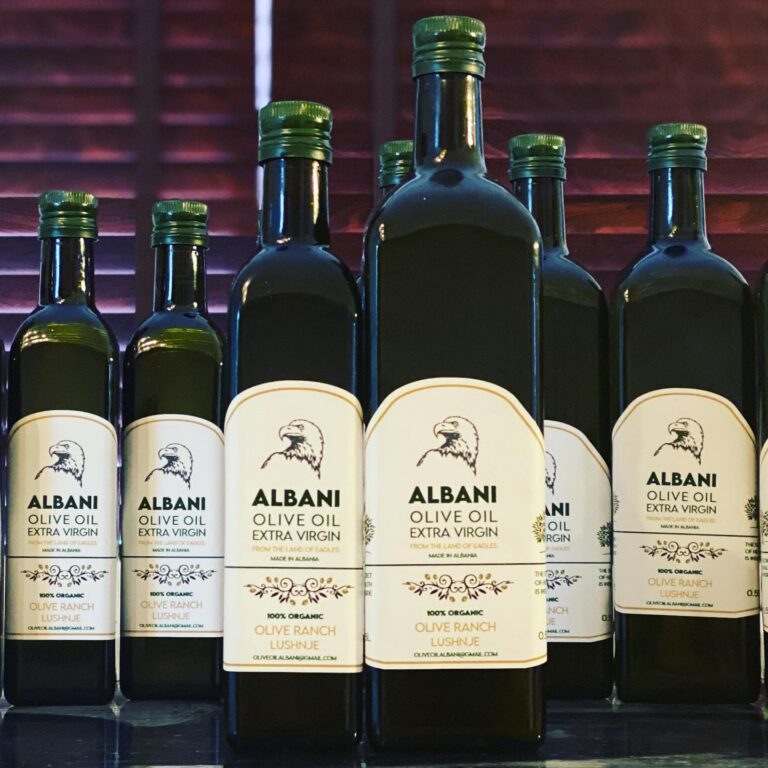
- Oils: Albani Olive Oil (Luxurious Extra Virgin Olive Oil), Borderfields (Cold Pressed Rapeseed)
- Dried Garlic/Chillies: Greenfields (Herbs & Spices), Nature Kitchen, Sous Chef (Moulins Mahjoub), JustIngredients.
- Bottles: Lakeland, IKEA (Korken series), Amazon UK (glass swing-top).
Works cited
- Olive oil – BBC Good Food, accessed November 19, 2025, https://www.bbcgoodfood.com/glossary/olive-oil-glossary
- Best extra virgin olive oil – Which? – Which? | Expert testing, reviews and advice – Which?, accessed November 19, 2025, https://www.which.co.uk/reviews/food-and-drink/article/best-extra-virgin-olive-oil-aZTRl1M3bAnf
- I Tasted 28 Olive Oils to Find the Best Ones to Buy for Cooking, Drizzling, and Dipping, accessed November 19, 2025, https://www.seriouseats.com/best-extra-virgin-olive-oil-7964587
- How to Choose the Perfect Extra Virgin Olive Oil for Your Recipes, accessed November 19, 2025, https://olivelaneoils.com/blogs/news/how-to-choose-the-perfect-extra-virgin-olive-oil-for-your-recipes
- Choose the Right Olive Oil: Elevate Your Culinary Creations – The Olive Tap, accessed November 19, 2025, https://www.theolivetap.com/our-blog/choose-the-right-olive-oil-a-guide-to-elevating-your-culinary-creations
- Rapeseed Oil vs Olive Oil for Cooking – Sous Chef, accessed November 19, 2025, https://www.souschef.co.uk/blogs/the-bureau-of-taste/rapeseed-oil-vs-olive-oil-for-cooking
- Cold pressed rapeseed oil or olive oil – which is best? – Borderfields, accessed November 19, 2025, https://borderfields.co.uk/news/cold-pressed-rapeseed-oil-or-olive-oil-which-is-best/
- Scottish cold pressed rapeseed oil – Is it healthier than extra-virgin olive oil? – Dr Laura Wyness, Menopause Nutritionist and Nutrition Writer, accessed November 19, 2025, https://www.laurawyness.com/scottish-cold-pressed-rapeseed-oil-is-it-healthier-than-extra-virgin-olive-oil
- Scottish Cold Pressed Rapeseed Oil…Probably Superior to Olive Oil in Health Terms, accessed November 19, 2025, https://aweepinchofsugar.co.uk/2012/11/15/rapeseed-oil-a-store-cupboard-must/
- Bulletin #4385, Safe Homemade Flavored and Infused Oils – Cooperative Extension Publications, accessed November 19, 2025, https://extension.umaine.edu/publications/4385e/
- Vegetable Oils as Alternative Solvents for Green Oleo-Extraction, Purification and Formulation of Food and Natural Products – PubMed Central, accessed November 19, 2025, https://pmc.ncbi.nlm.nih.gov/articles/PMC6151617/
- The Shelf Life of Infused Olive Oil: How Long Does It Last?, accessed November 19, 2025, https://41olive.com/blogs/news/the-shelf-life-of-infused-olive-oil-how-long-does-it-last
- How to Safely Make Infused Oils – Penn State Extension, accessed November 19, 2025, https://extension.psu.edu/how-to-safely-make-infused-oils
- How to Safely Make Infused Oils: Best Practices for Food Safety | CAES Field Report, accessed November 19, 2025, https://fieldreport.caes.uga.edu/publications/C1334/how-to-safely-make-infused-oils/
- VEGETABLES IN OIL 1. Attached is a copy – ACM/562 ADVISORY COMMITTEE ON THE MICROBIOLOGICAL SAFETY OF FOOD CLOSTRIDIUM BOTULINUM, accessed November 19, 2025, https://acmsf.food.gov.uk/sites/default/files/mnt/drupal_data/sources/files/multimedia/pdfs/Acm562.pdf
- Botulism (Clostridium botulinum) – Food Standards Agency, accessed November 19, 2025, https://www.food.gov.uk/safety-hygiene/botulism-clostridium-botulinum
- Current Food Safety Issues of Home-prepared Vegetables and Herbs Stored in Oil, accessed November 19, 2025, https://www.foodprotection.org/files/food-protection-trends/Jun-11-Nummer.pdf
- Acidification of Garlic and Herbs for Consumer Preparation of Infused Oils – International Association for Food Protection, accessed November 19, 2025, https://www.foodprotection.org/files/food-protection-trends/Jul-Aug-14-Abo.pdf
- Botulism Risks in Infused Oils: What to Know – Big Horn Olive Oil, accessed November 19, 2025, https://bhooc.com/blogs/articles/botulism-risks-in-infused-oils-what-to-know
- Read this before making homemade infused olive oil, accessed November 19, 2025, https://www.aboutoliveoil.org/read-this-before-making-homemade-infused-olive-oil
- ACM/636 ADVISORY COMMITTEE ON THE MICROBIOLOGICAL SAFETY OF FOOD HOME AND COMMERCIAL BOTTLING OF VEGETABLES IN OIL Background 1., accessed November 19, 2025, https://acmsf.food.gov.uk/sites/default/files/mnt/drupal_data/sources/files/multimedia/pdfs/Acm636.pdf
- Preservation of vegetables and herbs in oil – CSIRO, accessed November 19, 2025, https://www.csiro.au/en/research/health-medical/nutrition/vegetable-preservation
- This quick guide provides a summary of food and safety and labelling advice for small scale home producers of chutneys, pickles, flavoured oils and jams – Eden District Council, accessed November 19, 2025, https://www.eden.gov.uk/media/5221/quickguideonfoodsafetyhomeproducers.pdf
- accessed November 19, 2025, https://bhooc.com/blogs/articles/how-to-infuse-olive-oil-safely-at-home#:~:text=Cold%20Method%3A%20Let%20dried%20ingredients,F%20for%202%2D4%20hours.
- How to Infuse Olive Oil Safely at Home, accessed November 19, 2025, https://bhooc.com/blogs/articles/how-to-infuse-olive-oil-safely-at-home
- A Helpful Guide: How to Infuse Olive Oil – Brightland, accessed November 19, 2025, https://brightland.co/blogs/field-notes/how-to-infuse-olive-oil
- Safely making herb or garlic infused oils at home | Oklahoma State University, accessed November 19, 2025, https://news.okstate.edu/articles/agriculture/2020/gedon_home-infused-oils.html
- How To Make Herb Oil – Great British Chefs, accessed November 19, 2025, https://www.greatbritishchefs.com/how-to-cook/how-to-make-herb-oil
- Herbs and vegetables in oil – OSU Extension Service – Oregon State University, accessed November 19, 2025, https://extension.oregonstate.edu/catalog/pub/sp-50-701-herbs-vegetables-oil
- Greenfields Garlic Flakes – Pure Garlic Flavour Made Easy, accessed November 19, 2025, https://greenfieldsuk.co.uk/product/garlic-flakes/
- Garlic Flakes – Nature Kitchen, accessed November 19, 2025, https://www.naturekitchenshop.com/products/garlic-flakes-1-x-40g-pot
- Shop Dried Chillies | Handpicked for Heat & Flavour – Sous Chef UK, accessed November 19, 2025, https://www.souschef.co.uk/collections/dried-chillies
- Liquid smoke – Wikipedia, accessed November 19, 2025, https://en.wikipedia.org/wiki/Liquid_smoke
- US4118519A – Method of producing smoke flavoring for foods – Google Patents, accessed November 19, 2025, https://patents.google.com/patent/US4118519A/en
- Smoke Oil (with Lapsang Souchong Tea) & Smoke Oil–Poached Fish | The Splendid Table, accessed November 19, 2025, https://www.splendidtable.org/story/2024/03/08/smoke-oil-with-lapsang-souchong-tea-smoke-oilpoached-fish
- 3 Recipes with Smoky Lapsang Souchong Tea, accessed November 19, 2025, https://blog.mountainroseherbs.com/lapsang-souchong-recipes
- Smoked Olive Oil – Grillocracy, accessed November 19, 2025, https://www.grillocracy.com/blog/2015/10/16/smoked-olive-oil
- HOW TO SMOKE OIL – Smoked Veg or Olive oil – YouTube, accessed November 19, 2025, https://www.youtube.com/watch?v=KYKre_SjXa0
- Infuse flavors in cold or hot oil? : r/Cooking – Reddit, accessed November 19, 2025, https://www.reddit.com/r/Cooking/comments/sb6i1p/infuse_flavors_in_cold_or_hot_oil/
- 8 Ingredients to Add Smoky Flavor Without a Grill – The Kitchn, accessed November 19, 2025, https://www.thekitchn.com/7-ingredients-that-add-smoky-flavor-without-a-flame-231019
- How does everyone store their olive oil at home? : r/Cooking – Reddit, accessed November 19, 2025, https://www.reddit.com/r/Cooking/comments/jkrxno/how_does_everyone_store_their_olive_oil_at_home/
- Buy oil bottles online – RoyalDesign.co.uk, accessed November 19, 2025, https://royaldesign.co.uk/serving–tableware/serving-accessories/oil–vinegar—dressing-bottles
- Olive Oil Bottles, Vinegar Dispensers & Drizzlers | Hand-picked by experts – Sous Chef, accessed November 19, 2025, https://www.souschef.co.uk/collections/oil-vinegar-bottles